


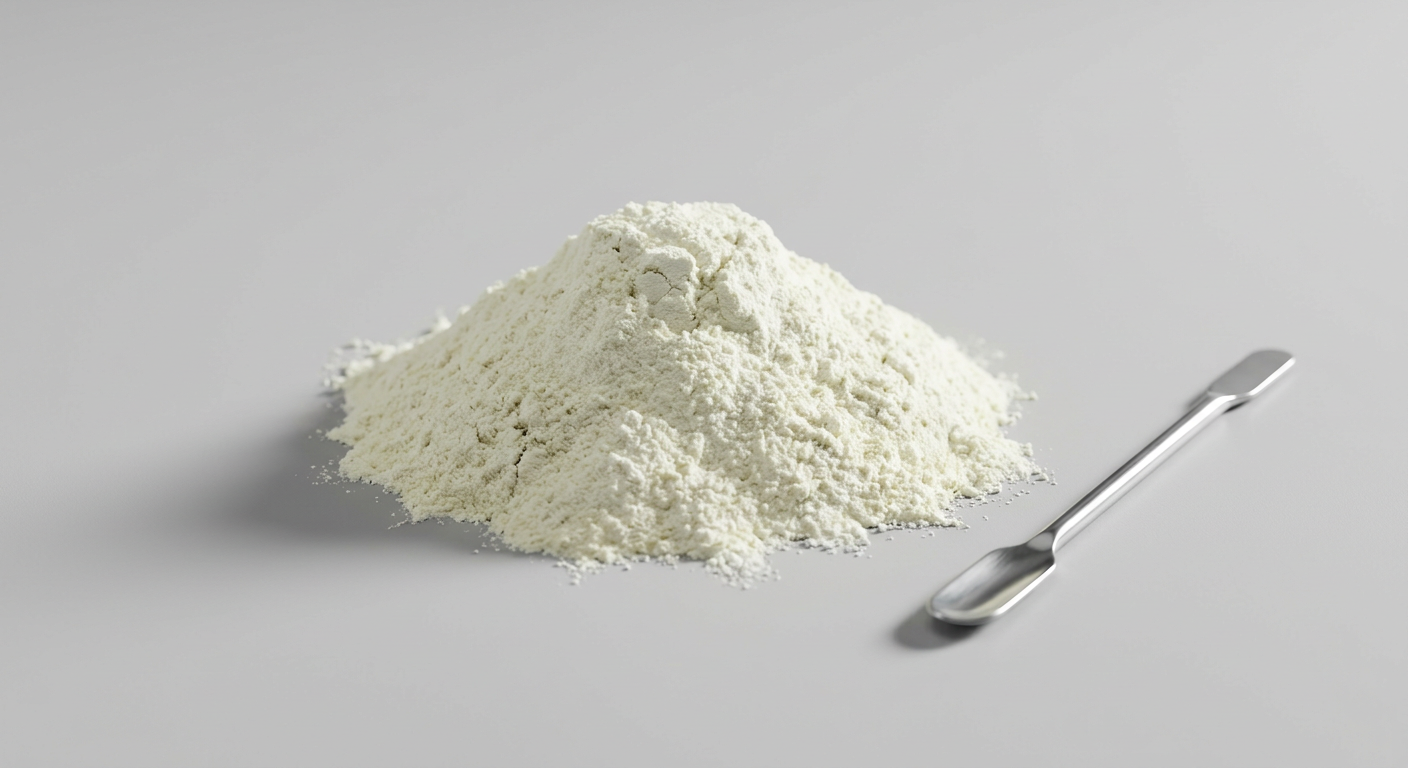

A biocide is a chemical substance capable of destroying various microorganisms and suppressing their vital processes both inside the structure of a material and on its surface. The toxicity of the substance depends on the concentration. When used according to the rules, biocides bring only benefits, disinfecting any material without changing its appearance and quality. According to their state of aggregation, substances can be liquid, powdery (solid), or gaseous.
Yes, when used at recommended concentrations and according to the rules, biocides do not alter the appearance and quality of materials and pose no danger. Toxicity appears only with significant overdosing or improper use.
Depending on the application, biocides can be liquid (solutions, emulsions), solid (powders, granules), or gaseous. The choice of form depends on the material to be treated and the technology used.
Yes, biocidal additives are often included in paints, varnishes, impregnations, and enamels to protect coatings from mold, fungi, and bacterial attack.
They are used to prevent biocorrosion of pipelines, treat drilling fluids, block wells, and disinfect equipment, inhibiting the growth of sulfate-reducing bacteria and other microorganisms.