


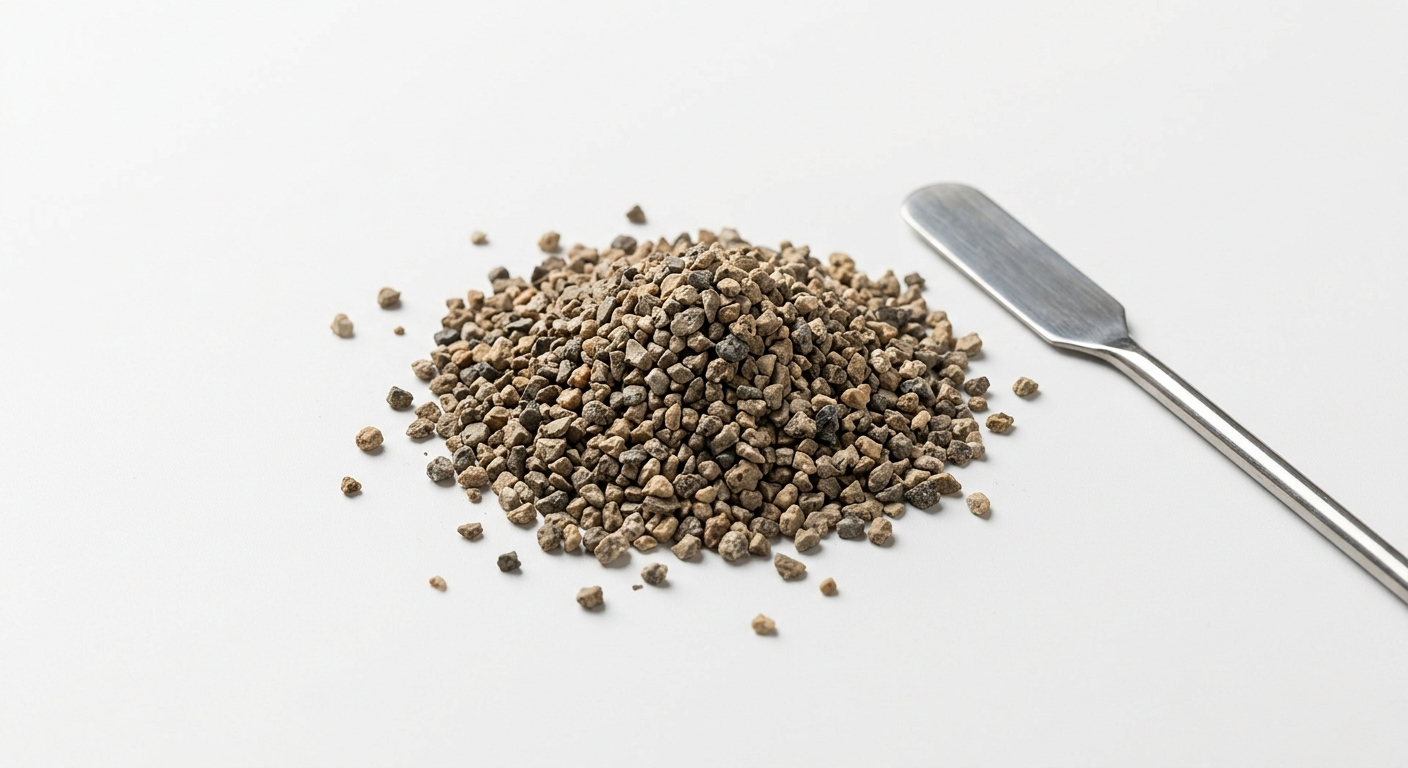

Calcined bauxite is a high-alumina material produced by sintering bauxite in rotary, round, or shaft kilns at high temperatures. This calcining (heating) process removes moisture and imparts high alumina content, refractoriness, low iron oxide levels, and high hardness.
Due to its high mechanical strength, resistance to molten slag, and thermal stability, calcined bauxite is an ideal raw material for the production of a wide range of refractory, abrasive, and specialty products.
Calcined bauxite is high-alumina bauxite that has undergone high-temperature firing (calcination). Firing removes moisture, increases alumina content, and imparts refractoriness, hardness, and chemical stability.
Calcined bauxite combines high mechanical strength, resistance to molten slags, thermal stability, and low impurity levels, making it a versatile raw material for refractories, abrasives, and specialty products.
Main applications include: production of shaped and unshaped refractories, aluminum smelting, ceramics, welding electrodes, dyes, abrasives, metallurgical fluxes, and filters for cleaning petroleum products.