


What is the purpose of a plasticizer in concrete? This is a question many DIY enthusiasts ask when starting a construction or renovation project. Not so long ago, building mixes were prepared without the use of special additives. However, with the development of technology, the need arose to improve the characteristics of concrete compositions. That is why plasticizing components began to be introduced into them. These agents simplify working with the mix, make it more workable, and make structures more durable.
The quality of concrete largely depends on its composition. The use of a plasticizer allows several parameters of the mix to be improved at once. It is especially important to use additives in monolithic construction and the production of precast concrete products.
Why is a plasticizer needed? It’s simple — adding it::
Thanks to additives, pouring into molds becomes easier. Contact with reinforcement is also improved, which is especially important in reinforced structures. Their use provides a stable result even under changing weather conditions. The mix retains its plasticity longer.
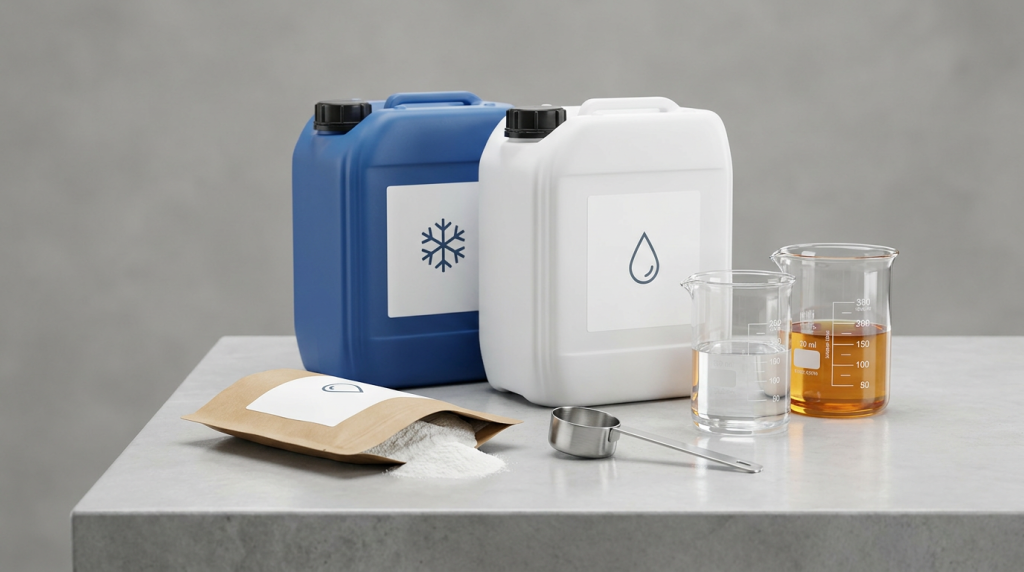
Today, the construction market offers a wide range of products. Both inorganic and organic additives are available. They differ in composition, action, and area of application. Some of them perform several functions at once.
Depending on composition and action, plasticizers can be:
In terms of form, additives are available in liquid and dry versions. Liquid ones are introduced into the composition faster and are easily dosed. Dry ones are convenient for transportation and long-term storage. It is important to dilute or introduce them into the mix correctly, following the manufacturer’s instructions.
Working with plasticizers requires strict adherence to dosage. An excessive amount reduces the quality of the mix, while an insufficient amount does not produce the desired effect. Proportions depend on the specific brand, so it is important to read the manufacturer’s recommendations.
How to use a plasticizer:
Before preparation, you should check the packaging to see how much plasticizer to add. Usually, this is from 0.2% to 2% of the cement mass. To achieve the flowability effect, it is important to correctly determine this value.
If a dry form is used, it is pre-diluted with water. Therefore, it is necessary to know how to dilute the plasticizer so that the mix remains homogeneous. Again, all necessary information can be found in the instructions. Strict adherence to proportions affects the final result.
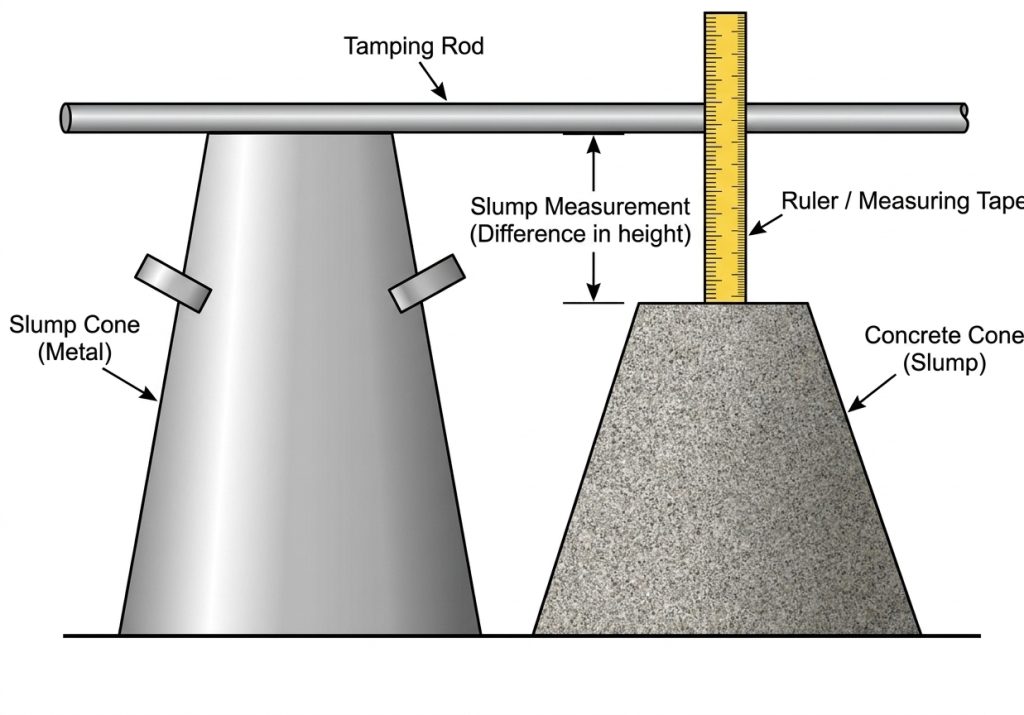
The variety of products in construction stores can confuse even an experienced builder. To choose the right composition, one must consider the type of work, environmental conditions, and the required characteristics of the mix.
How to choose a plasticizer:
Before buying a specific product, it is worth determining why a plasticizer is needed in each case. For example, frost-resistant mixes are suitable for winter construction. If high workability is required, air-entraining options are chosen.
Do not skimp on quality. The durability of the structure depends on the choice. It is better to find out in advance why a particular additive is used and what operating conditions are planned for the concrete.
Additives have become an integral part of modern construction. They improve the performance characteristics of cement mixes and make working with them easier. The use of plasticizers allows control over the flowability, strength, and plasticity of the mass. To achieve the desired effect, it is important to know how much to add, how to dilute it, and to follow the instructions provided by the manufacturer.
Each type has its own characteristics that must be considered when choosing. Thanks to the variety on the market, an optimal solution can be found for any task. Proper use of plasticizers is the key to the quality of a concrete structure.