


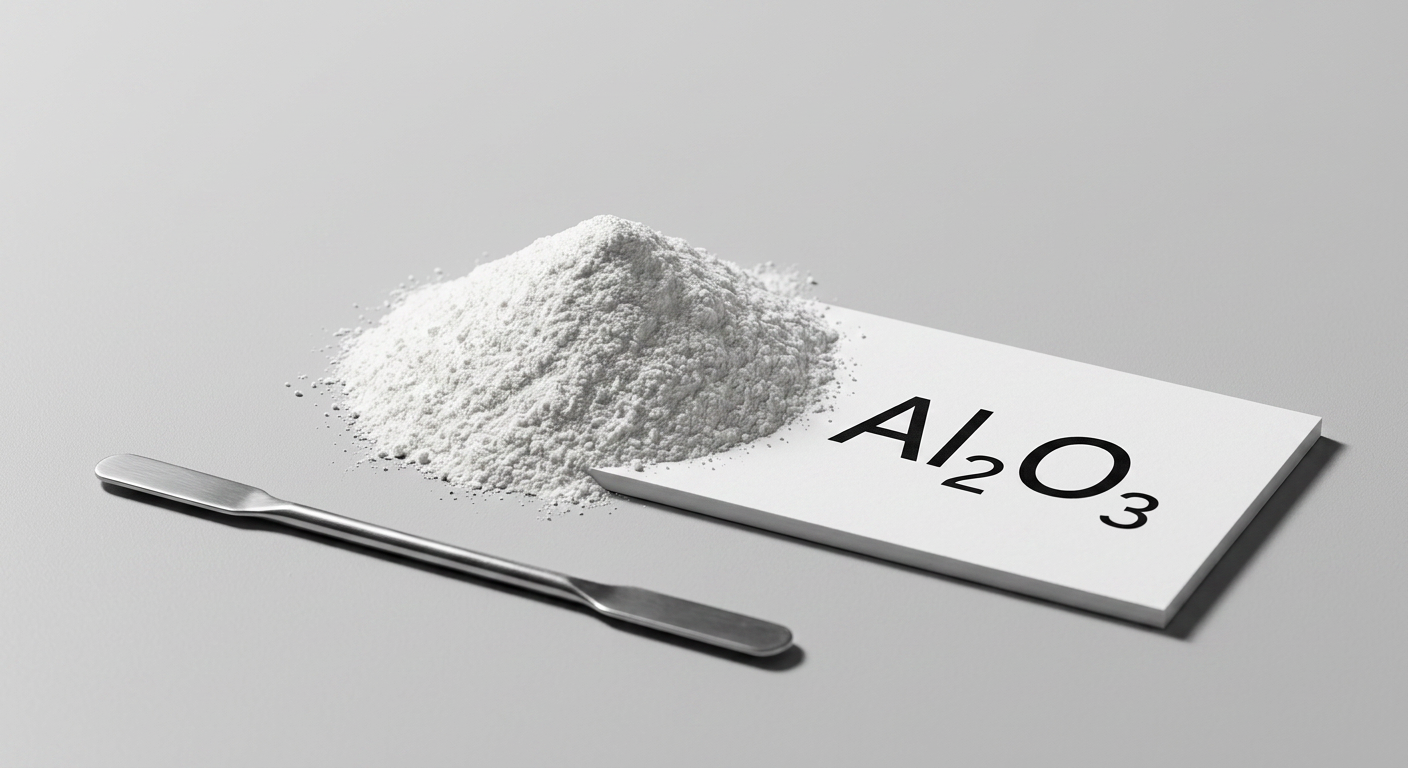

Calcined alumina is aluminum oxide that has undergone additional heat treatment. It has micropores in its structure, due to which it forms and binds much better. In the refractory industry, it is an integral part of various types of concrete, bricks, monolithic products, insulating materials, etc.
Calcined alumina features improved mechanical strength, increased resistance to wear and abrasion, impact resistance, as well as high electrical resistance at elevated temperatures. It ensures precise dimensions and shapes for finished products.
Calcined alumina is aluminum oxide (Al₂O₃) that has undergone additional firing to improve binding properties and mechanical characteristics. Unlike regular alumina, it has a microporous structure that ensures better forming and sintering.
Because it imparts increased mechanical strength, thermal shock resistance, and abrasion resistance to materials. When combined with aluminous cement or clay, it extends the service life of refractory products.
Thanks to its range of properties, it is in demand in the production of abrasives, glass, enamels, tiles, porcelain, mechanical and electronic ceramics, as well as in electrical insulators and spark plugs.